Lower Property Taxes
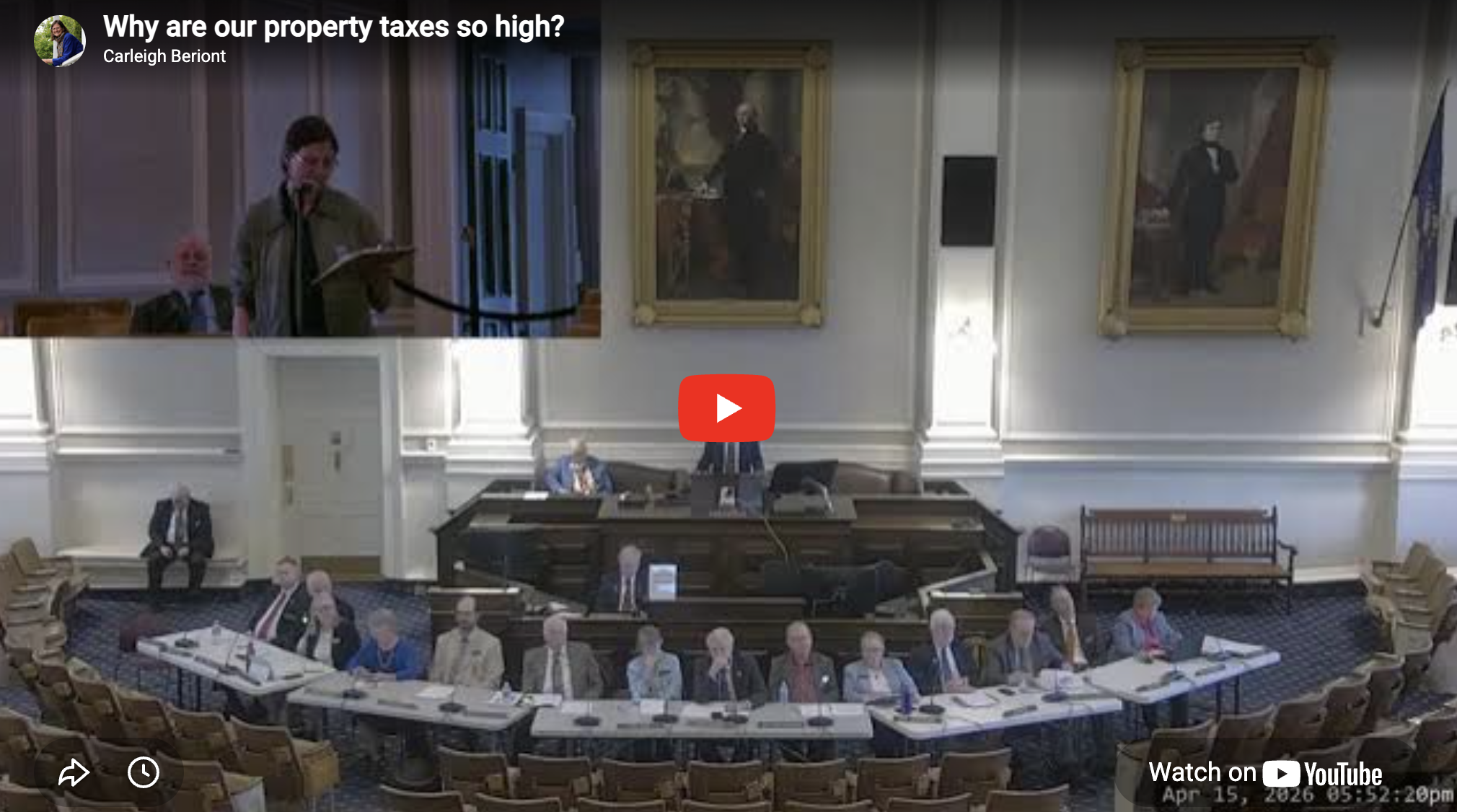
Last fall, after Hampton’s reassessment, hundreds of residents packed the basement of the town hall where Carleigh chairs the Select Board to talk about their property tax horror stories. The board heard from a retiree who lives in a mobile home and can’t afford to pay an additional thousand dollars a year on her tax bill. They heard from a neighbor who had to choose between paying for his heating oil and his property taxes. Carleigh hears stories like this every day as a local government official and a candidate for Congress: this system is broken, property taxes are too high, there must be a better way.
Plenty of politicians at the state and federal levels talk about these problems, but do very little to actually fix them. They kick the can down the road until it lands in our basement meeting room.
New Hampshire ranks dead last in state funding for public schools. When the federal government cuts funding, the costs don’t disappear. They land on towns, and towns push them onto families. Here’s where it gets specific: Congress passed the Individuals with Disabilities Education Act over fifty years ago and promised to cover 40% of special education costs. It has never come close. Special education is now one of the single largest cost drivers in local school budgets, and these costs are federally mandated and almost entirely paid by local property taxpayers. Hampton’s budget just failed for the second time in four years because residents can’t take another increase. The problem isn’t with the people. It’s with leaders who pass laws and then pass the buck. Carleigh will fight to fully fund IDEA and provide federal funding for critical local infrastructure programs, to lower property taxes and finally give people the partner in Washington they deserve.